This is a public place for photos that mean something to me, but may have no other proper home. The moments they capture deserve a spot outside a single hard drive, and they are valued solely for the memories they represent, not their technical merits.
“Thus one comes to call Madeleines all those objects, all those instants that can serve as triggers for the strange mechanism of Memory.”
“This is a Madeleine,” declares photographer and filmmaker Chris Marker, via HyperStudio cards pressed on CD-ROM, in Immemory. Glowing, century-old snaps from the family photo album follow, with strange connections in space and through time, as we see clearly that an image may provoke involuntary memory just as well as the crumb of a madeleine cake did for Proust.
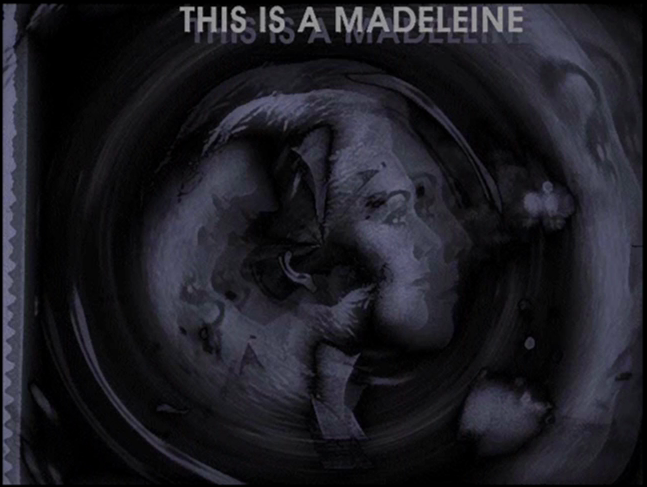
Why do we save old photographs, but for the chance to see the past again in a totally different way? An excuse to use up the last few frames in a roll of HP5 during a lunch becomes the last impression of a friend who passed far too soon. Capturing the progress of a build session becomes a portrait of two friends who, one day, will be married. These photographs become something entirely different years after they are taken.
What started as a long overdue digital cleanup, turned into this collection. These photos and images were chosen as they are comfortably in the past, yet triggered in me some cascade of memories. And that is the only criteria for this collection – a wonderful letting-go of concerns about sharpness or critical focus, universal appeal, or even any context outside my own head.
On Presentation
I wanted each image to shed its technical baggage – to make sixty megapixels no better than six, a 2000s point-and-shoot indistinguishable from a 2020 mirrorless.
Dithering is timeless for the digital era and just so Zen. Standardizing on 800 by 800 pixels removes constraints on what can be a reasonable crop. Just one percent of a sixty megapixel image is now “big enough” to display here, so old images can be recontextualized years later. Intentionally degrading their digital representation just reinforces the quality of the memory itself.